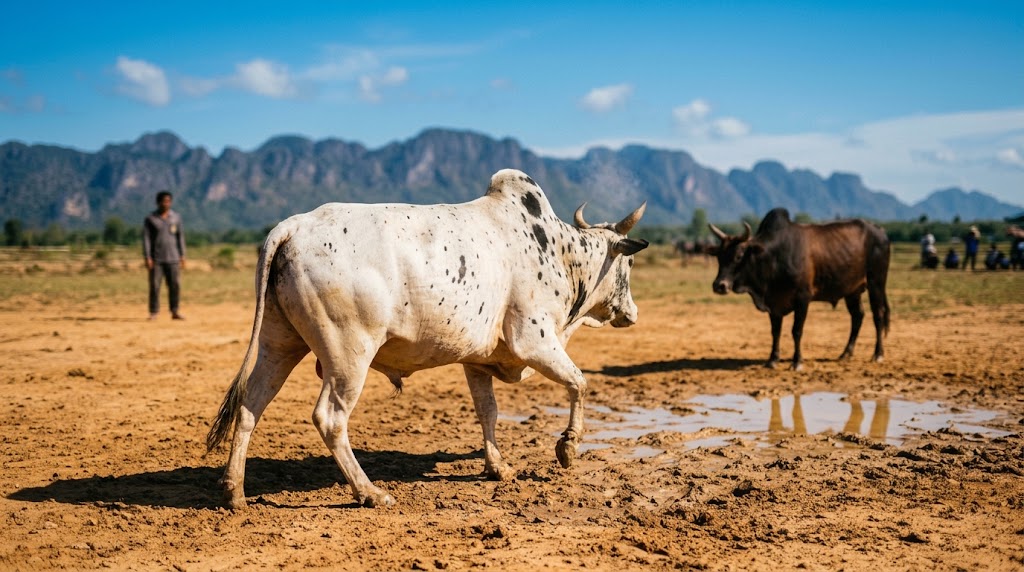
Bullfight Results: How to Read Past Match Outcomes
Bullfight results are recorded outcomes linked to identifiable competitions. A useful result connects the outcome to the correct event through details such as the event date, venue, matchup, result source, and publication or update time. For historical records, archive context also matters because where or how a result is stored later may differ from the original event record.
A winner’s name by itself does not show which event, venue, or matchup the outcome belongs to. This guide focuses on how to read and compare result records and does not claim to provide a complete historical database of every bullfight result.
What Are Bullfight Results?
A bullfight result is the recorded outcome of an identifiable match. In a well-documented record, the outcome remains connected to the competition rather than appearing as an isolated winner claim. The most useful records preserve the event date, venue, matchup, final outcome, source, and the time when the result was published or updated.
When comparing bullfighting results across different periods, these identifiers help distinguish one competition from another and reduce confusion when older information is republished or archived later.
What Should a Bullfight Result Record Include?
A result becomes easier to interpret when its identifying fields remain connected. The following structure provides a practical way to read individual results and historical records.
| Field | Meaning | Why It Matters |
|---|---|---|
| Event date | The date when the competition took place. | Separates the match itself from later publication or archive context. |
| Event identity | The identifiable competition connected to the result. | Helps distinguish similarly described matches. |
| Venue | The location where the event took place. | Connects the result to the correct competition setting. |
| Matchup | The fighting bulls involved in the match. | Shows which competition produced the reported outcome. |
| Final outcome | The completed result of the match. | Distinguishes a finished result from a schedule or an in-progress event. |
| Source | The identifiable publisher or record providing the outcome. | Shows where the result information came from. |
| Publication or update time | When the result information was published or changed. | Separates the match date from later reporting. |
| Archive context | Where or how the historical record appears within a later collection or archive. | Helps organize past bullfight results without treating archive order as event chronology. |
How Do You Read Past Bullfight Results?
Start by identifying the match before focusing on the winner. Check the event date, venue, and matchup together, then confirm that the reported outcome belongs to those same identifiers. This is more informative than relying on a detached winner name or only on the date when a page was published.
A useful bullfight results archive, when available, should preserve enough context to connect each outcome back to its event. If an old result is republished later, the original event date remains the key chronological field even when the publication information or archive context is newer.
Event Date, Publication Date, and Archive Context
Historical result records can include different kinds of timing and storage information, and those fields should not automatically be treated as interchangeable.
| Field | What It Means | Why It Can Differ |
|---|---|---|
| Event date | When the competition took place. | This date belongs to the match itself. |
| Publication date | When the result, article, post, or update was published. | A result may be reported after the event has finished. |
| Archive context | Where or how the record appears in a later historical collection. | An older result may be reorganized, republished, or grouped differently from the original event chronology. |
For historical interpretation, the event date should anchor the match chronology. Publication information and archive context add useful background, but they do not change when the original competition occurred.
How Is a Winner Described in Research on Southern Thai Fighting Bulls?
A 2026 article in The Thai Journal of Veterinary Medicine studied 14 Thai fighting bulls aged over six years. In its description of southern Thai bullfighting, the article states that winners in the arena are determined by the opponent’s surrender.
The study examines walking, intensive exercise, complete blood counts, and blood chemistry. It provides context for how an outcome is described in that research setting, but it is not a historical database of bullfight match results.
Why Do Event and Venue Details Matter?
A 2021 study published in the Suan Dusit Graduate School Academic Journal used qualitative research and participatory action research with 32 purposively selected key informants. The study discusses bullfighting event information in Songkhla, locations for events, organizational networks, website development, and integration with social media.
When comparing result records, event and venue information can also function as identifiers that help distinguish one competition from another. This is a practical use of those fields; the study itself did not test a method for verifying bullfight results.
What Can Retrospective Fighting-Bull Records Tell Us?
A 2024 retrospective study published in the Open Veterinary Journal reviewed 5,518 fighting-bull laboratory records from the Livestock Animal Hospital, Faculty of Veterinary Science, Rajamangala University of Technology Srivijaya, covering January 2016 through December 2023.
These are animal-health and haemoparasitic records, not match results. Their relevance is limited to showing the value of clear provenance, a defined time range, and identifiable source data when interpreting historical records.
A bullfight results archive, if available, requires different information. To document match outcomes, an archive would need event-level details such as the competition date, venue, matchup, final outcome, and result source. Laboratory or veterinary records should not be treated as substitutes for match results.
What Is the Provenance Chain of a Historical Result?
A historical result becomes easier to interpret when the main pieces of information remain connected. A practical sequence is:
- Event date — identifies when the competition occurred.
- Event identity — identifies which competition is being described.
- Venue — connects the event to a location.
- Matchup — identifies the fighting bulls involved.
- Outcome — records the final result.
- Source — identifies where the result information came from.
- Publication or update time — shows when the result was reported.
- Archive context — shows how the historical record is stored or presented later.
This is a practical way to interpret historical records, not an official bullfighting classification system. If key identifiers are missing, a record may still contain useful information, but it becomes harder to connect the outcome confidently to a specific match.
How Is a Results Archive Different From Live Results?
A historical results archive, when available, can organize completed outcomes from earlier competitions. Live information describes the current state of an event, while a today-specific result is limited to the current calendar day and a yesterday-specific result refers to the previous day.
The main difference is time scope. Historical records preserve earlier context, while live information follows an event as it develops. Mixing those timeframes can make an old result appear current or cause a scheduled match to be mistaken for a completed outcome.
How Can a Schedule Help Identify a Match?
A schedule can help identify a planned event, venue, date, or matchup that a later result may refer to. For the site’s dedicated schedule section, see Today’s Bullfight Schedule. Check the date displayed on that schedule before comparing it with a result, because schedule information can become outdated. A schedule alone does not prove that a match was completed or confirm its final outcome.
What If Historical Result Reports Conflict?
If two historical reports disagree, compare their identifying details before choosing an outcome. Start with the event date and venue, then check the matchup, final result, source, and publication time. A result is not automatically stronger simply because it appears on several pages, especially when those pages may repeat the same original claim.
| Conflict | Useful Comparison |
|---|---|
| Different event dates | Determine which date belongs to the competition itself. |
| Different venues | Check which venue is associated with the identified event. |
| Different matchups | Confirm that both reports describe the same pair of bulls. |
| Different outcomes | Compare the identifiable sources connected to the match. |
| Different publication dates | Check whether a later report refers to the same earlier event. |
Explore More Sports Content
Readers who also browse broader sports content can visit เว็บตรง ปลอดภัย. The wording of this link is not independent evidence that the destination is safe, licensed, official, or a source of verified bullfight results.
Other Sports Resources
Readers interested in additional sports-related content can also visit เว็บพันธมิตร. Historical competition information should still be checked against the event date, matchup, outcome, and identifiable source before being treated as a result record.
Frequently Asked Questions
What information should a bullfight result include?
A useful bullfight result should identify the event date, venue, matchup, final outcome, and source. Publication or update time and archive context add useful provenance when the result is stored or republished later.
Are past bullfight results the same as live results?
No. Past bullfight results describe completed historical outcomes, while live information describes the current state of an event or match. Keeping the two separate helps prevent an older result from being mistaken for a current one.
Can an old bullfight result be published again later?
Yes. The publication date can be later than the original event date. That is why the date of the competition should be identified separately from the date when a result page, post, or archive entry appeared.
Does a schedule prove the final result?
No. A schedule describes planned event information. A final result requires evidence of the completed outcome connected to the correct event and matchup.
Key Takeaway
Useful bullfight results preserve more than the winner. A historical record is easier to interpret when the event date, event identity, venue, matchup, outcome, source, publication time, and archive context remain connected. Keeping those fields separate also prevents schedules, veterinary records, publication dates, or later archive entries from being mistaken for the original match result.
References
- The Thai Journal of Veterinary Medicine (2026), Effects of intensive exercise on the blood chemistry of fighting bulls in southern Thailand
- Suan Dusit Graduate School Academic Journal (2021), Approaches for Bull Fighting Event Tourism Brand Development of Songkla Province, Thailand
- Open Veterinary Journal (2024), Prevalence of haemoparasitic infections and influencing factors among fighting bulls in Southern Thailand: A retrospective analysis